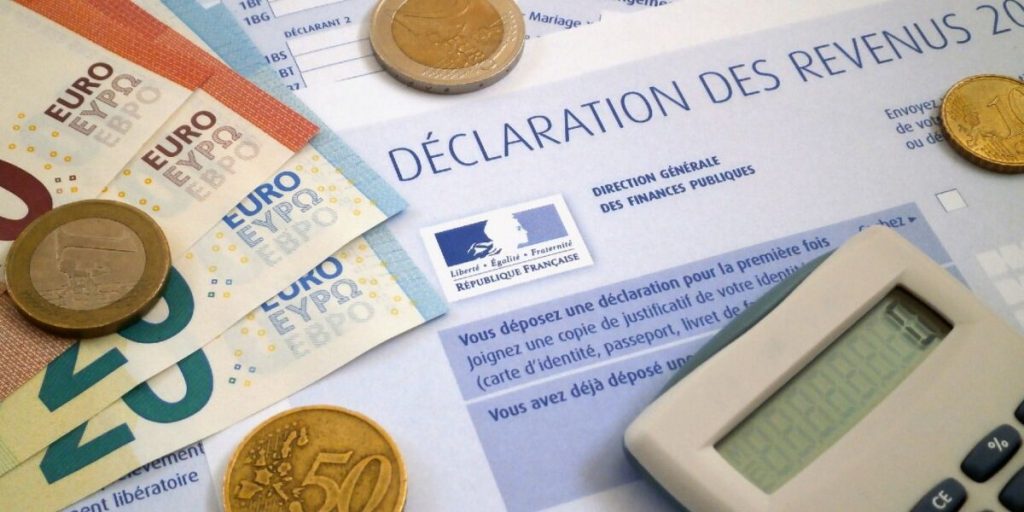
Taxable bonuses are applied when receiving exceptional income. They are not regular bonuses, but rather bonuses outside of salary. Given the numerous interpretations of the subject by taxpayers, one wonders what taxable bonuses are? In this article, we provide you with the essentials to remember about taxable bonuses.
The Macron taxable bonus
The Macron bonus is a bonus that was established by the Macron government to assist employees. It is exempt from taxes and social contributions. This bonus was created to enhance the purchasing power of workers. It can be paid by employers under strict adherence to certain conditions.
One of these conditions is that the employee must not exceed a certain income limit. The Macron bonus is therefore a call for solidarity from employers towards their employees. However, it must be paid to employees who earn 3 times less than the minimum wage. It is a voluntary and optional bonus whose implementation is up to the business leaders.
To be exempt from taxes, it must not exceed €2000. The taxable Macron bonus is applied when the bonus paid to the employee exceeds €2000. But with the re-election of President Emmanuel Macron, the government plans to increase the amount beyond this sum. If you want to know more, click on taxable Macron bonus.
What taxes apply to bonuses and income?
Bonuses and income are classified in the category of exceptional income concerning taxes. These bonuses are partly income received outside of salary. However, they are subject to tax requirements, which leads to treatment under the income tax regime.
As a result, they are treated as taxable bonuses even if they are not received regularly by workers. Among these bonuses are:
- bonuses for exceptional services;
- compensation related to voluntary departure;
- allowances and compensation payments;
- contract termination allowances and severance pay;
- end-of-fixed-term contract allowances;
- retirement support allowances;
- entry bonuses;
- paid leave;
- temporary assignment bonuses;
- precarity bonuses, etc.
The bonuses found in this list are considered exceptional by the Ministry of Finance, which carries out the taxation. To limit the impact of taxation, individuals can still opt for the quotient system or the spreading system.
Exceptional bonuses without charges
Thanks to the current legislation in France regarding taxes, certain exceptional bonuses are exempt from tax charges. Among these are the income received by young people, social and family allowances.
Income of young people
Like the Macron Bonus, certain exceptional bonuses are exempt from charges. Among these are the income granted to young people. Young people are exempt from tax charges even if they live with their parents. Similarly, income from students’ part-time jobs is also exempt from any tax charges.
This is possible as long as this income is below 3 minimum wages per month. However, this law does not apply to young people who have exceeded the age of 26 during the tax year. Furthermore, to benefit from this exemption, young people must be in academic or school training conditions. This exemption also covers student scholarships.
Social and family allowances
Just like the income related to youth, social and family allowances are exempt from tax charges. Indeed, these are bonuses covered by the state. Therefore, they are not taxable bonuses. Likewise, they do not require any tax declaration.
Whether it is family allowances, housing bonuses, or back-to-school aid allowances, they are all exempt. This is because they were established as social assistance.