Over the last twenty years, less than 25% of solo exhibitions in European contemporary art museums have been dedicated to female artists. Women’s works remain underrepresented in public collections, even as discussions about equality gain visibility.
Gender stereotypes persist in media coverage, influencing the recognition and valuation of female creators. Initiatives aimed at correcting these imbalances struggle to assert themselves against entrenched institutional traditions. The figures and realities on the ground reveal the gap between stated commitments and their realization.
Women and culture: a story of visibility and recognition
In France, the image of the cultural sector is established early in the statistics: women numerically dominate in art, journalism, or theater schools. But upon graduation, the contrast is stark. Leadership positions in major cultural institutions remain almost inaccessible to women, despite similar academic backgrounds. Festivals, retrospectives, major awards: programming and distinctions give women a marginal place.
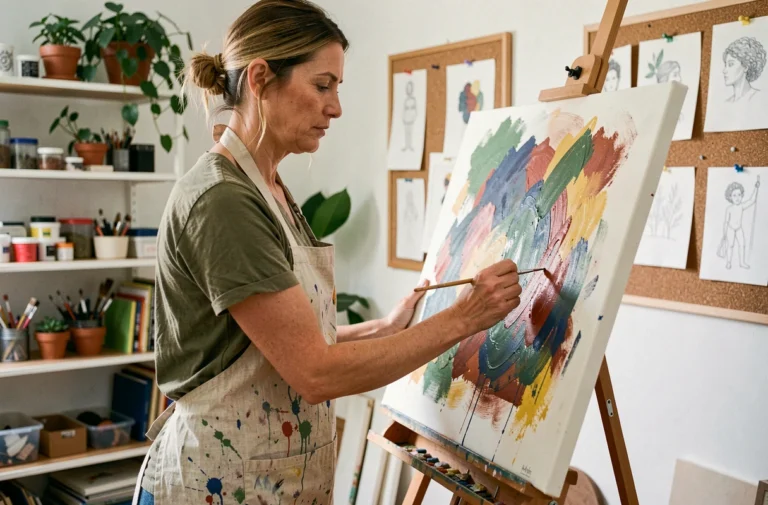
This imbalance goes far beyond organizational charts. In the history of art, cinema, comics, female creators still struggle to carve out a space. Public collections and museum acquisitions continue to favor male artists. Even female figures who manage to emerge remain exceptions.
This process of erasure permeates all realms of creation. Here are some areas where the observation is undeniable:
- visual arts,
- dance,
- music,
- live performance,
- cinema.
In all these fields, women receive fewer awards, benefit from less visibility, and find it difficult to access support networks or funding. Too often, parity is only on paper, with no effect on the reality of nominations or recognition. The site Hera Magazine works to document these mechanisms of exclusion, deciphering what continues to confine female creation out of the spotlight.
What gender stereotypes persist in the arts and media today?
Gender stereotypes endure, deeply rooted in artistic and media environments. Women, even when numerous during their studies, encounter a glass ceiling as soon as they enter cultural professions. Accessing leadership roles, selection committees, or juries: these spaces remain largely locked by male networks. Discrimination and sexism mark their journeys, from normalized harassment in art schools to the tolerance of sexist remarks in newsrooms.
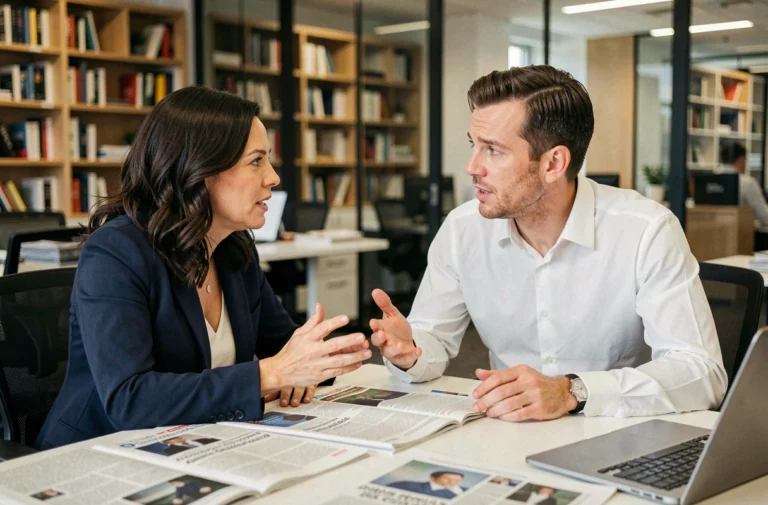
In the media, changes occur only slowly. Women are often found on social issues, testimonials, or so-called “women’s pages.” Access to expert status on panels or in in-depth analyses remains rare. Decision-making positions, editorial leadership, and strategic columns are distributed among men.
To illustrate these disparities more concretely, here are some striking examples:
- Amateur artistic practices attract more women, but institutional recognition eludes them.
- Comics, editorial cartoons, or caricature remain territories dominated by men.
- In France and Europe, female conductors, opera directors, and composers remain particularly rare.
The difficulty of balancing career and family life weighs heavily. Self-censorship is gaining ground, female applications are dwindling, and speaking out becomes more timid. Professional networks are often closed off, and women mainly occupy peripheral roles: communication, human resources, editing, or translation, far from centers of power.
The reproduction of these dynamics continues to fuel invisibility. In France, the participation and recognition of women in the arts and media still progress slowly.
Towards real equality: initiatives, mobilizations, and levers for change
The fight for gender equality in culture has relied for over a decade on measurement and analysis tools. The Ministry of Culture publishes the Equality Observatory each year, revealing figures and trends on the place of women in institutions, programming, awards, and distinctions. These reports, praised for their rigor, highlight the persistent gaps, but also the shifts achieved through collective mobilization.
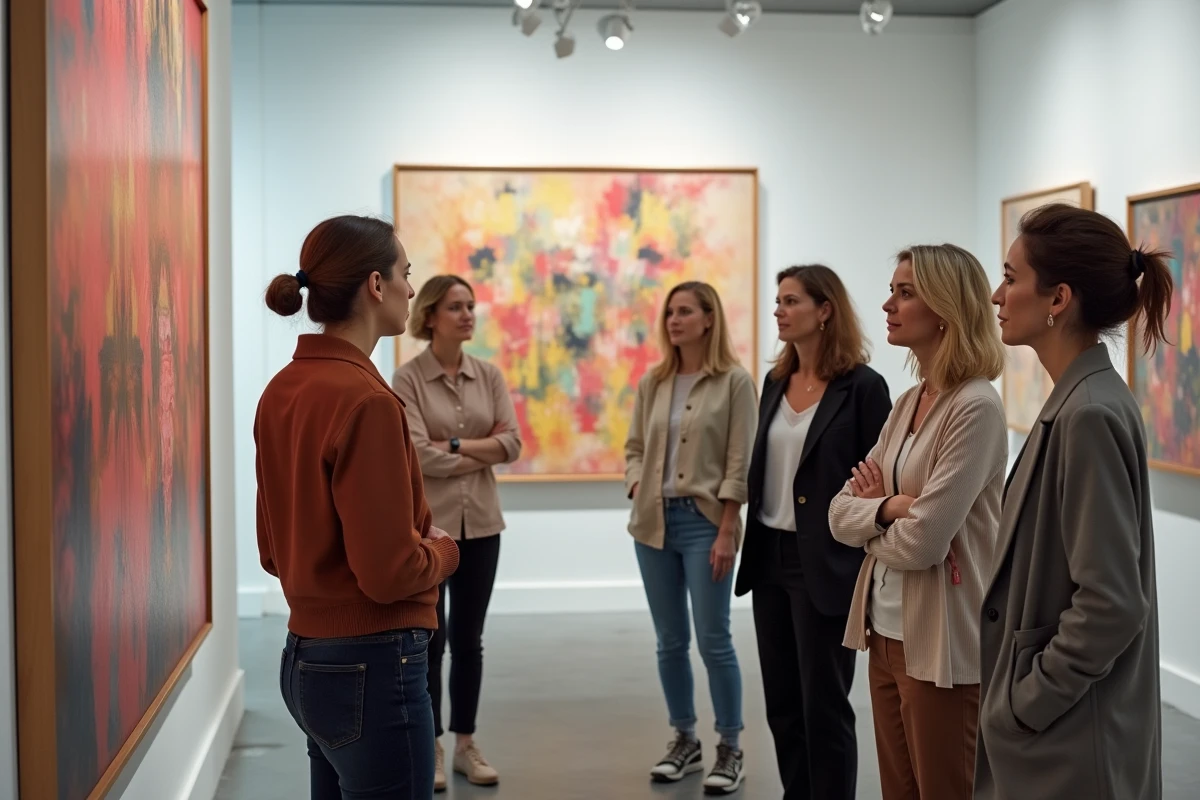
Collectives are structuring the response. The H/F collective advocates across the territory for equality in live performance, ensuring parity in juries, commissions, and theater management. La Barbe makes a strong public statement by humorously denouncing male dominance in decision-making centers. Women’s networks, long fragile, are organizing. The Artémisia Prize, dedicated to female comics, contributes to the visibility of female creators.
Some names stand out as references: Reine Prat or Nicole Pot, for example, have structured expertise and research on these issues, producing reports that have become essential in live performance or cultural institution management. Public action, through conditional grants or quotas, weighs in the balance. The National Center for Cinema, the Higher Audiovisual Council, and local authorities: all shape programming policies, training, and the promotion of female talent.
Some levers at work:
Several concrete avenues can help shift the lines:
- Condition certain grants on parity in funded projects.
- Make the presence of women in selection juries systematic.
- Facilitate women’s access to leadership positions in cultural institutions.
The dynamic now relies on a collective awareness and increased visibility of data, pushing stakeholders to reconsider their practices. Resistance is not lacking, but the trajectory of change has been set in motion. It remains to be seen how far and how quickly it will reshape the future of culture and media.