A dog scratching its ear, another refusing to walk after ten minutes, a third destroying the sofa as soon as it’s left alone. These everyday situations rarely have just one cause, and stock answers (“he’s bored,” “he needs more exercise”) often miss the real problem. Taking good care of a dog means learning to read its signals and adapting routines to the individual animal—not following a generic breed guide.
Signs of discomfort in dogs: what behavior can reveal about their health
Have you ever noticed your dog repeatedly licking one paw? Often dismissed as a habit, this behavior can point to joint pain, a skin allergy or anxiety. Before trying to correct a behavior, first rule out a physical cause.
The same applies to a dog that suddenly refuses its food. A sudden change in behavior warrants a veterinary visit, not simply a change of kibble. Dental pain, for example, can go unnoticed for months because the dog keeps eating—just more slowly or with its head tilted.
Everyday signs to watch for include Animal Passion’s advice for dog owners, which covers several common behaviors and their possible causes, from lethargy to chronic itching.
Excessive panting when your dog hasn’t been exercising also deserves attention. The Frégis Veterinary Hospital notes that brachycephalic dogs (bulldogs, pugs, Pekingese) are less able to regulate their body temperature because their airways are shorter. A brachycephalic dog panting heavily in mild weather may already be struggling with the heat.
Dog nutrition: tailor the food bowl to your dog, not the brand
Most guides recommend “high-quality food.” The problem is that this phrase doesn’t offer much practical guidance. What matters is whether the food meets your dog’s specific needs.
Three factors that affect portion size
Age is the first factor. A growing puppy has different protein needs from a senior dog whose kidneys may not be working as well. Physical activity level also matters: a working or sporting dog burns far more calories than a house dog that goes out three times a day.
The third factor, often overlooked, is health. An overweight dog, one with food allergies or one taking medication may need an adjusted diet, sometimes under veterinary supervision.
- Keep fresh water available at all times: stagnant water encourages bacterial growth and can cause digestive problems. Change the water at least once a day, and more often in hot weather.
- Split meals for large dogs: large breeds are more prone to gastric dilatation-volvulus (bloat). Two meals a day reduce the risk compared with one large meal.
- Avoid regularly feeding table scraps: some common foods (onions, grapes, chocolate) are toxic to dogs, even in small amounts.
Dog training: why consistency matters more than the method
There are dozens of training approaches, from clicker training and positive reinforcement to mixed methods. Well-trained dogs don’t all share the same training method. What matters is that everyone in the household consistently follows the same rules.
Here’s a simple example: if one family member lets the dog on the sofa and another doesn’t, the dog isn’t being disobedient. It doesn’t understand the rule because the rule isn’t being applied consistently.
Everyday mental stimulation
Physical exercise alone isn’t enough to keep a dog balanced. Mental stimulation—activities that engage its sense of smell, problem-solving skills or ability to learn new commands—can be just as tiring as a long walk.
A snuffle mat, a treat-dispensing toy or simply hiding pieces of food in the garden engages a dog’s sense of smell, its most highly developed sense. Ten minutes of scent work can replace thirty minutes of monotonous walking in terms of mental exertion.
Hot weather and travel: two underestimated risks
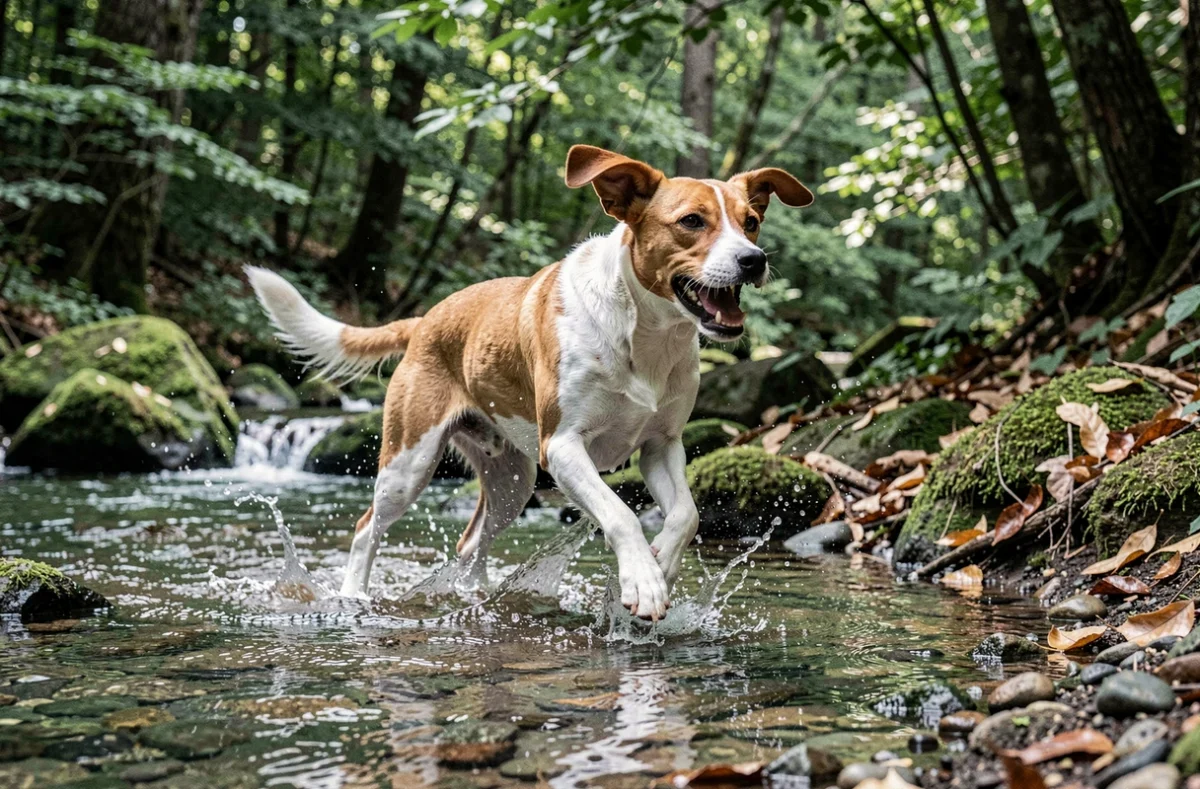
Heatstroke doesn’t happen only during a heatwave. The Frégis Veterinary Hospital explains that complications can arise even after a dog’s condition appears to improve. If your dog suffers heatstroke, the steps are clear: move it into the shade, cool it with fresh (not ice-cold) water and contact a veterinarian immediately, even if it seems to be feeling better.
Older dogs, dogs with heart or respiratory problems, and brachycephalic breeds are especially vulnerable. For these dogs, shortening walks and reducing their intensity as temperatures rise isn’t excessive caution—it’s essential.
The car: a silent trap
Leaving a dog in a vehicle, even with the windows slightly open, is dangerous—even on a day that doesn’t seem particularly hot. The temperature inside a car can rise within minutes to far above the outdoor temperature. There’s no safe compromise here.
Veterinary care for dogs: vaccinations and preventive care at every age
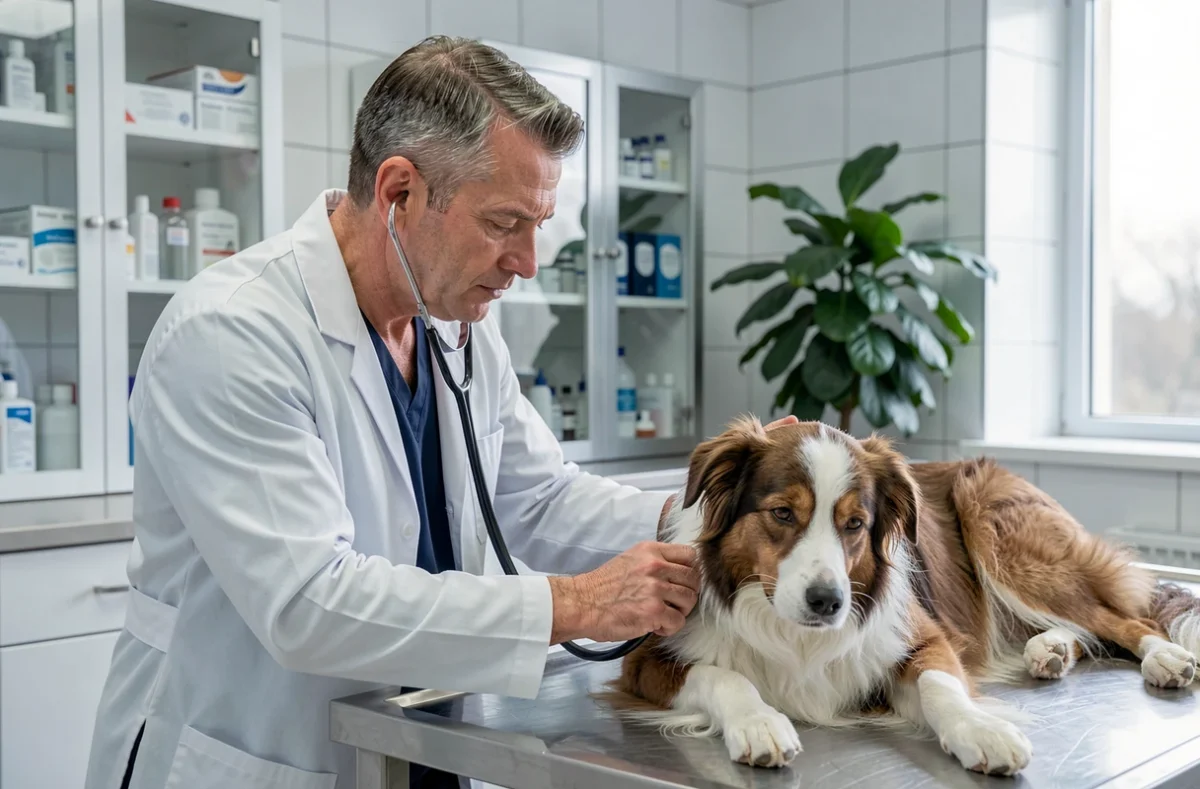
Routine vaccinations protect against serious diseases (distemper, parvovirus, leptospirosis). Your veterinarian will set the vaccination schedule based on your dog’s age and lifestyle. A dog that visits dog parks or boarding kennels faces different risks from a sedentary pet.
- Microchip identification: mandatory in France, it helps reunite lost dogs with their owners and is required for an EU pet passport.
- EU pet passport and rabies vaccination: required for travel within the European Union. Make arrangements several weeks before departure.
- Dental cleaning and checkups: periodontal disease affects many adult dogs and can lead to infections elsewhere in the body, including the heart and kidneys.
Adjusting the frequency of veterinary visits to your dog’s age is one of the best ways to prevent health problems. Puppies need frequent appointments for their initial vaccinations. A healthy adult dog can have an annual checkup. Senior dogs benefit from checkups every six months to catch age-related conditions before they worsen.
Observation is the common thread running through all these topics—nutrition, training, heat and medical care. Owners who know their dog’s normal habits quickly notice when something changes. And it’s this everyday attentiveness, more than any product or gadget, that makes a lasting difference.