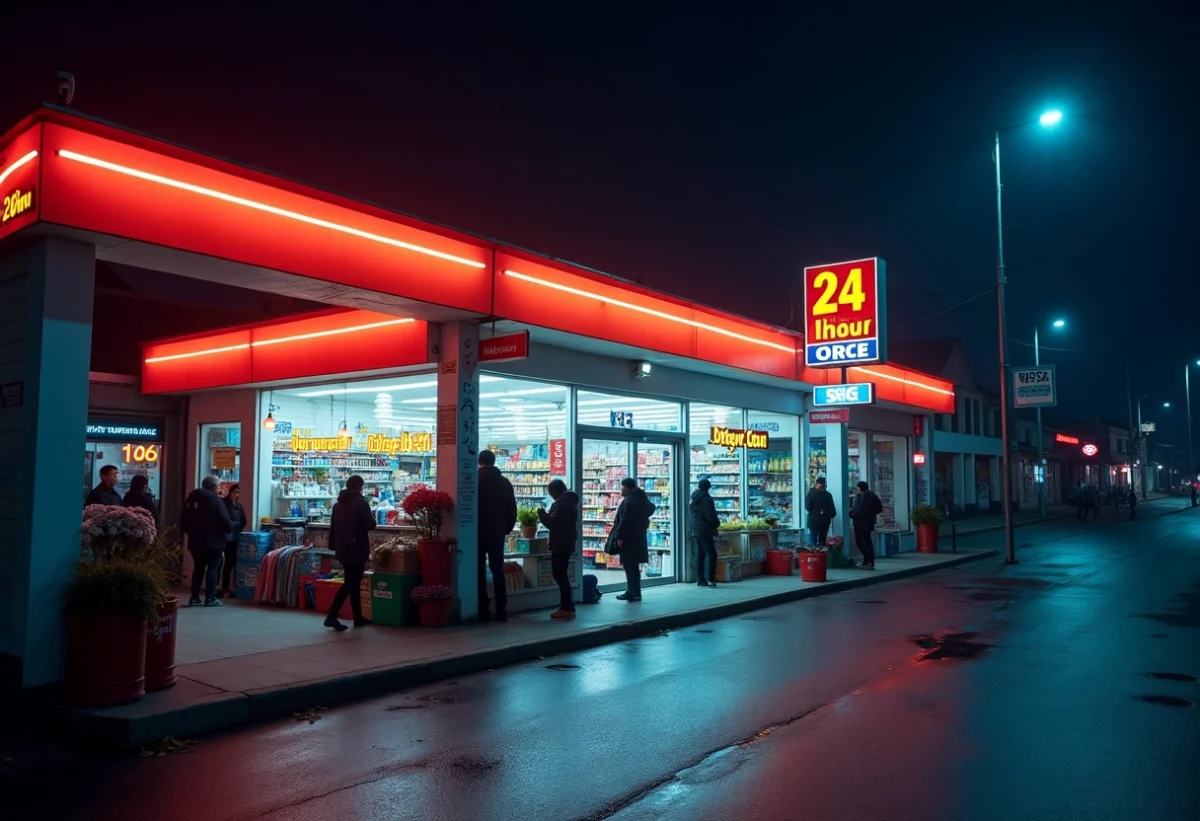
The lights of the shop windows stay on much later than before, illuminating the streets and attracting night owls in search of various products. Whether it’s for a sudden craving for something sweet, a forgotten medication, or simply a nighttime stroll, late-night businesses meet a growing need.
This trend reflects a shift in lifestyles, where the frantic pace and irregular hours become the norm. Supermarkets, pharmacies, and even bookstores are adapting by extending their opening hours. A boon for those who, caught up in their daytime activities, finally find a window for their essential shopping.
The advantages and challenges of late-night businesses
The rise of late-night businesses comes with undeniable advantages. These establishments cater to consumer needs, allowing them to access a variety of products and services even after traditional hours. A simple search for a nearby night grocery store can now resolve a food emergency or a sudden craving.
However, this flexibility is not without challenges. The work of employees in food businesses from 9 PM to midnight, permitted under the Pacte law, raises ethical and social questions. About 45,000 people already spend their evenings at work, which can lead to overload and a deterioration of living conditions.
New technologies play a fundamental role in this transformation. Companies like Timeskipper are developing SaaS platforms that integrate artificial intelligence to organize team work in real-time. This allows for better resource management and anticipation of peak activity times.
Legislation remains a complex area. The International Tourist Zones, established by the Macron law in 2015, allow for later openings in cities like Paris, Nice, and Lyon. Yet, organizations like Clic-P continue to denounce potential abuses and pressures on employees.
Consumption expert Olivier Dauvers and journalist Frédéric Bianchi emphasize that this transformation must be closely monitored to ensure a balance between consumer needs and respect for workers’ rights.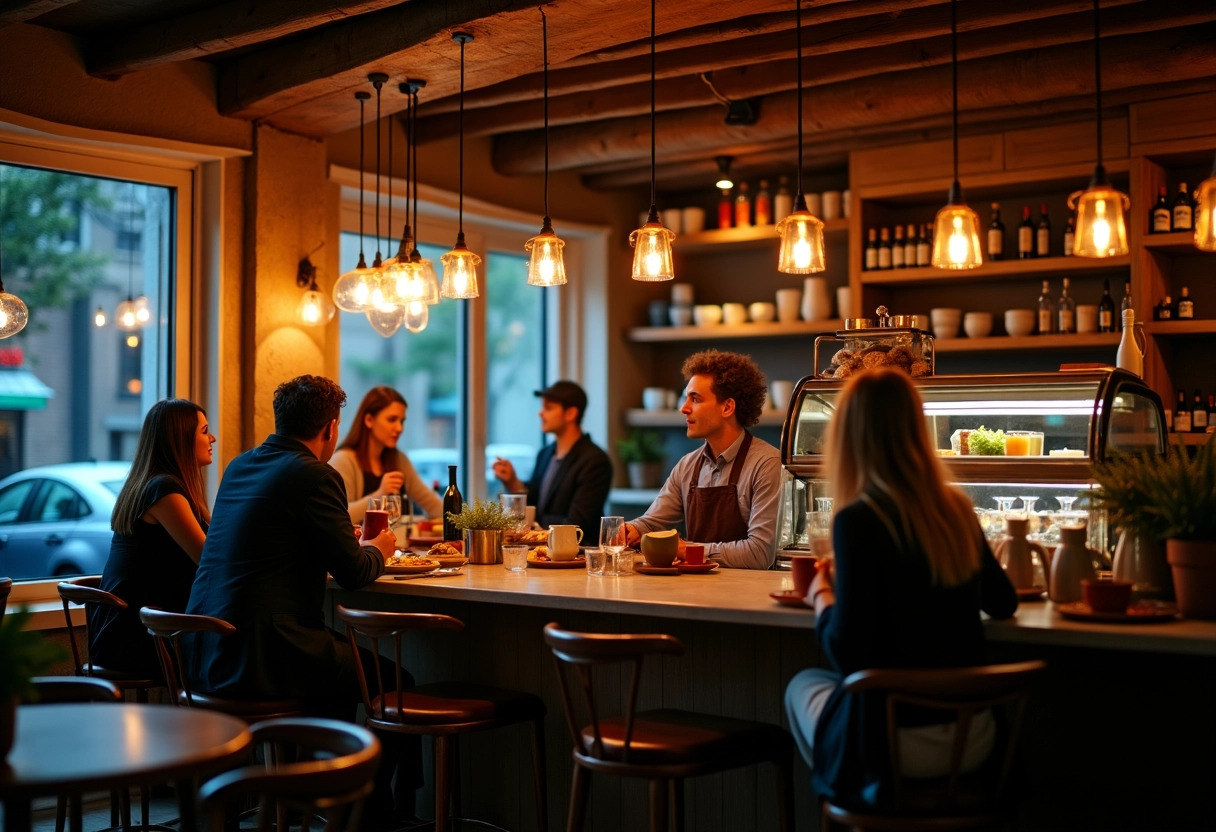
How businesses adapt to consumers’ nighttime desires
The transformation of the commercial landscape to meet consumers’ nighttime desires is reflected in several strategic adaptations. Late-night businesses, often located in the International Tourist Zones of Paris, Nice, and Lyon, benefit from increased legal flexibility due to the Pacte Law. This legislation allows food business employees to work from 9 PM to midnight without being considered night work.
- Technological platforms: companies like Timeskipper use artificial intelligence to optimize team scheduling in real-time.
- Continuous delivery: services like Uber Eats allow consumers to satisfy their nighttime cravings without leaving their homes.
Retailers must also navigate between consumer expectations and legislative constraints. Implementing these extended hours requires internal reorganization and more precise human resource management. Timeskipper’s SaaS platform, for example, incorporates a predictive engine that anticipates peak activity, contributing to better employee allocation.
These developments are not without controversy. Clic-P, the inter-union liaison committee for commerce in Paris, denounces the working conditions of the 45,000 people already engaged in these late hours. According to consumption expert Olivier Dauvers and BFM Éco journalist Frédéric Bianchi, this transformation must be closely monitored to ensure a balance between commercial innovation and respect for workers’ rights.
Businesses are adapting, but vigilance is necessary to avoid potential abuses and ensure a fair distribution of benefits among consumers, companies, and employees.