Choosing a leisure activity that suits one’s profile, budget, and physical condition is not just about going through a list of ideas. The National Barometer of Sports Practices 2025 from INJEP-CREDOC shows that regular participation has been increasing in France since 2018, but significant disparities remain based on education level and income. What types of activities truly meet the constraints of each audience, and on what criteria can they be compared?
Leisure activities without equipment or registration: the entry cost criterion
Walking, running, and cycling dominate autonomous practices in France. Their growth can be explained by a common point: no club membership is required, and the material investment remains low.
For families with children, outdoor games (ball, frisbee, improvised courses in a park) serve the same purpose. Their free nature makes them accessible regardless of budget, a factor that the INJEP-CREDOC barometer identifies as crucial in practice inequalities.
When looking to compare leisure activities on ComplexInfo, this entry cost criterion already helps filter realistic options based on one’s situation.
| Type of activity | Entry cost | Need for registration | Suitable audience |
|---|---|---|---|
| Walking, hiking | Free to low | No | All ages, including seniors |
| Running | Low (shoes) | No | Adults, teenagers |
| Cycling (leisure) | Moderate (bike) | No | Family, adults |
| Homemade cooking workshops | Low (ingredients) | No | Family, children |
| Escape room | Moderate to high | Yes (reservation) | Teenagers, adults |
| Painting classes in a studio | Moderate | Yes | Adults, seniors |
| Gentle gymnastics in a club | Moderate (membership) | Yes | Seniors |
| Nature park, zoo outing | Variable (entry) | No | Family, children |
Senior activities and intergenerational leisure: practices on the rise
Licenses for sports among those over 55 have increased more rapidly than those for those under 14 in recent years, according to INJEP-CREDOC data. Gentle gymnastics, hiking, and club activities appeal to this audience, which seeks both social connection and practices compatible with varying physical abilities.
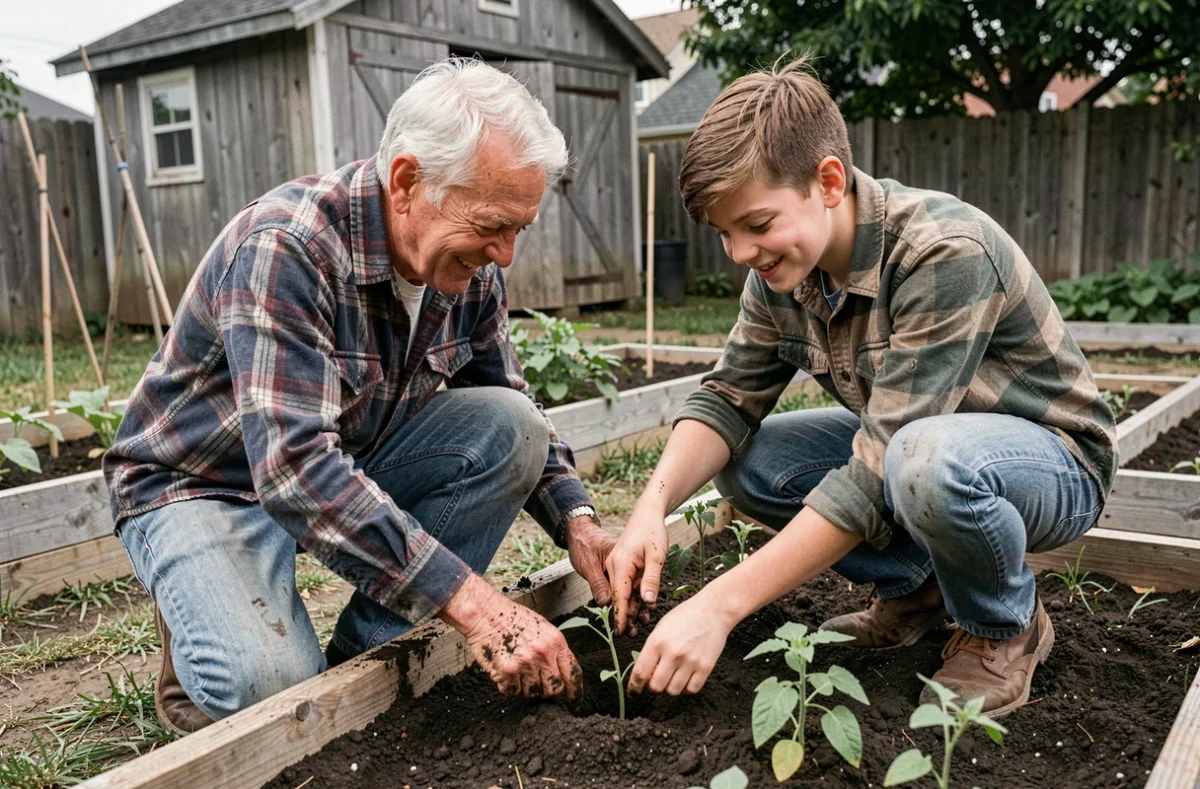
This trend opens up a often overlooked niche: intergenerational leisure activities adapted to everyone’s abilities. A family nature outing, a cooking workshop shared between grandparents and grandchildren, or a board game session require neither physical performance nor specific equipment.
Gentle gymnastics and hiking for seniors
These two activities combine several advantages: low risk of injury, adjustable pace, and a collective aspect. Clubs offering senior slots are multiplying, driven by the growing demand from this audience.
On the other hand, high-intensity activities (climbing, fast team sports) remain poorly suited for elderly individuals without prior physical preparation. The choice of activity primarily depends on actual physical condition, not age.
Escape rooms, creative workshops, and indoor leisure: what do they offer for families?
Escape rooms have become a popular outing in urban areas, especially in Paris and large cities. Their appeal lies in the cooperative dimension: solving puzzles as a group engages collective thinking, a format that works well with children from around ten years old.
The main barrier remains the price per person, which can quickly add up for a large family. For a similarly intellectually stimulating outing at a lower cost, community painting workshops or at-home mystery games provide concrete alternatives.
Cooking workshops and hands-on activities at home
Cooking as a family only costs the price of ingredients and offers a double benefit: practical learning for children and a moment of sharing. Themed baking workshops (by season, by country) renew interest without additional investment.
- Painting or drawing workshops at home: basic materials available at supermarkets for a few euros, suitable from three years old with supervision
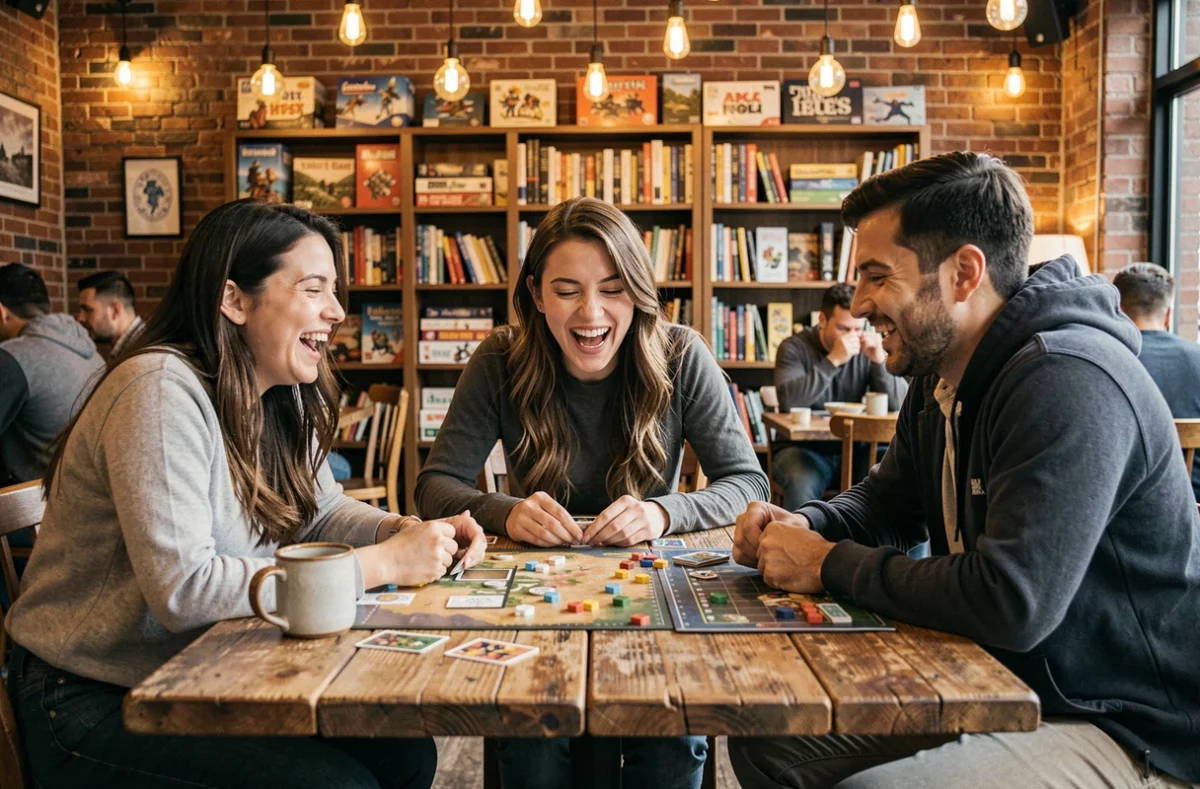
- Cooperative board games: a single purchase for dozens of games, inherently intergenerational format
- Making objects (salt dough, origami): zero waste if using recycled materials, stimulates fine motor skills in young children
Nature and outdoor activities: accessibility and free options as guiding principles
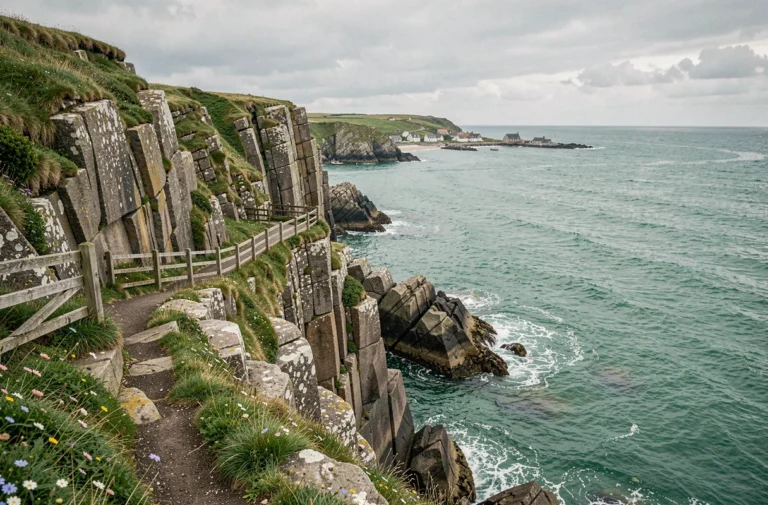
Hiking remains the most practiced outdoor leisure activity in France. Its success is due to its simplicity: a marked trail, a good pair of shoes, and a few hours are enough. Free outdoor activities are growing faster than paid leisure, a trend confirmed by the INJEP-CREDOC barometer.
Outings in natural parks, forest walks, or picnics organized in public green spaces meet the same criteria. For families with young children, these outings provide a secure setting without time constraints.
- Family hiking on marked trails: free, accessible as soon as the child walks independently
- Wildlife and plant observation: educational activity at zero cost, promoted by many municipalities through marked routes
- Cycling on greenways: infrastructure development across the country, accessible to families with child trailers
- Geocaching or treasure hunts outdoors: free apps, fun format that motivates children on longer routes
Accessibility and disability: a still underestimated criterion
Parasports have seen recent growth, and several federations are expanding their offerings of adapted leisure activities. The accessibility of an activity is not limited to age: it also concerns people with disabilities, for whom the availability of dedicated slots and adapted equipment remains uneven across regions.
The choice of a leisure activity benefits from being filtered by three concrete criteria: the actual cost (registration, equipment, transport), the required physical level, and local availability. Free and autonomous activities remain those that reach the widest audience, from children to seniors, regardless of income level or education.